
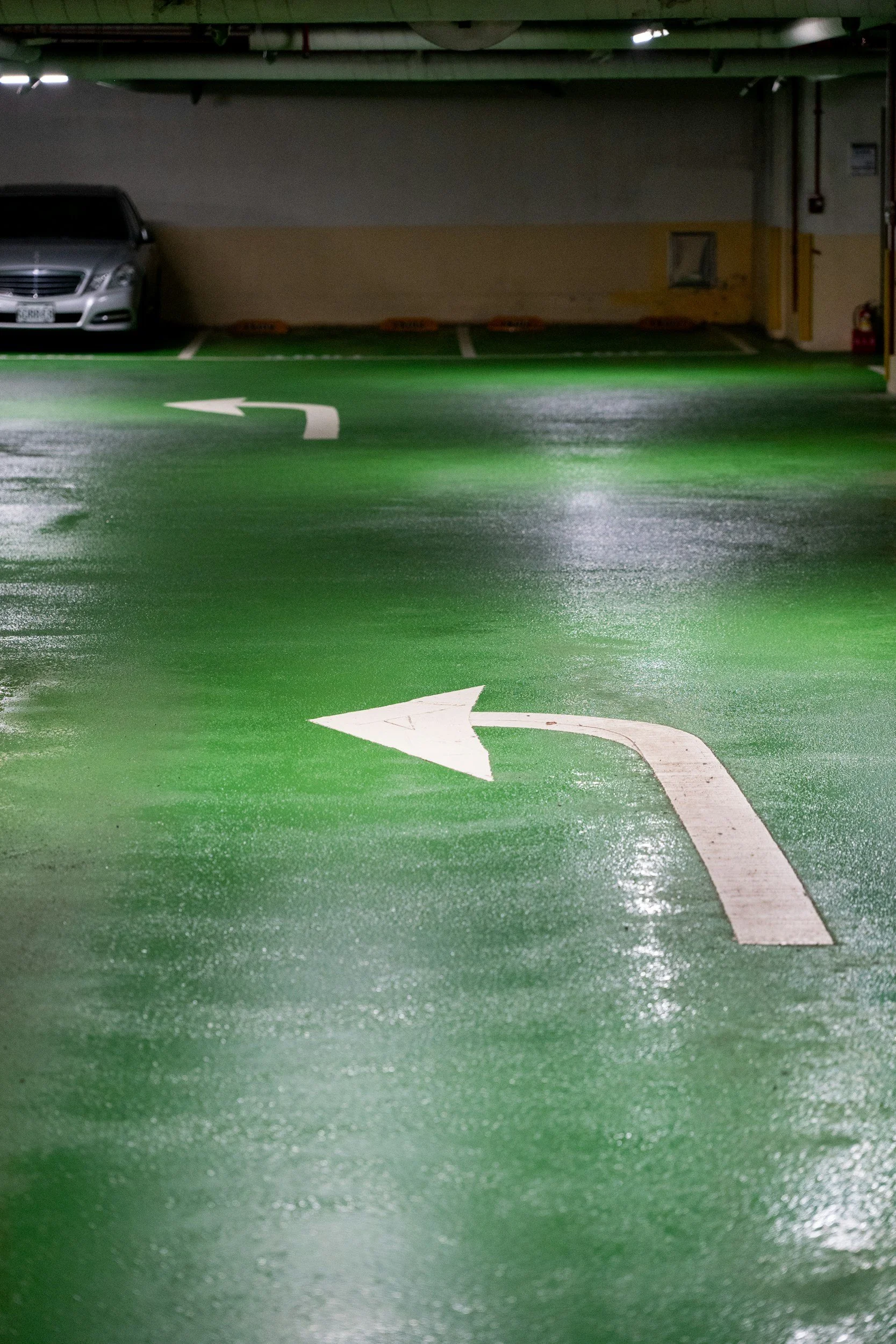
Floor Painting: How to Refresh Your Floors
When people think about transforming a room, they usually look at the walls or the ceiling. But one of the most striking design statements you can make is right under your feet: your floors.
Whether you have tired wooden floorboards in a residential home, or an industrial concrete floor in a garage or commercial space, professional floor painting offers a fresh, modern, and highly durable alternative to replacing floor coverings.
However, floor painting is a high-stakes job. Floors endure constant foot traffic, heavy furniture, and frequent cleaning. Here is how we ensure your painted floors look stunning and hold up under pressure:
1. Choosing the Right Floor Paint
Standard wall or masonry paint will quickly chip and peel if used on a floor. We use specialized, heavy-duty floor enamels, polyurethanes, or two-part epoxy coatings depending on the surface:
Wooden Floors: Flexible, abrasion-resistant paints designed to move with the natural expansion and contraction of wood.
Concrete & Masonry Floors: Tough, chemical-resistant epoxy or resin coatings that seal dust and resist hot tire marks, oil spills, and heavy foot traffic.
2. Concrete vs. Wooden Floor Preparation
Preparation for floor painting is even more critical than on walls:
For Wood: We sand down old varnishes, repair loose boards, fill deep gouges with flexible wood fillers, and thoroughly vacuum every speck of dust.
For Concrete: Concrete must be completely dry and etched or abraded (sanded) to remove smooth laitance, ensuring the floor paint can bite into the surface for maximum adhesion.
3. Application and Drying Time
Floor paint requires precise, even coats—usually applied with specialized long-handle rollers and edge brushes to prevent lap marks. Patience is key here: each coat must fully cure before applying the next, and the floor needs adequate cure time before walking on it or moving heavy furniture back in.
4. Why Painted Floors are a Smart Choice
Budget-Friendly: Considerably more affordable than laying new hardwood, tiles, or commercial flooring.
Easy to Clean: Creates a seamless, non-porous surface that stops dust and moisture from settling in cracks.
Brightens Spaces: Light-colored floor paint reflects light back up into the room, making dark basements, garages, or living spaces feel twice as bright.
Final Thoughts
A painted floor can completely redefine the character of a room—from a chic, Scandinavian-style white wooden floor to a sleek, durable industrial grey garage. Done professionally with the right materials, it is a long-lasting transformation you will love walking on every day.